
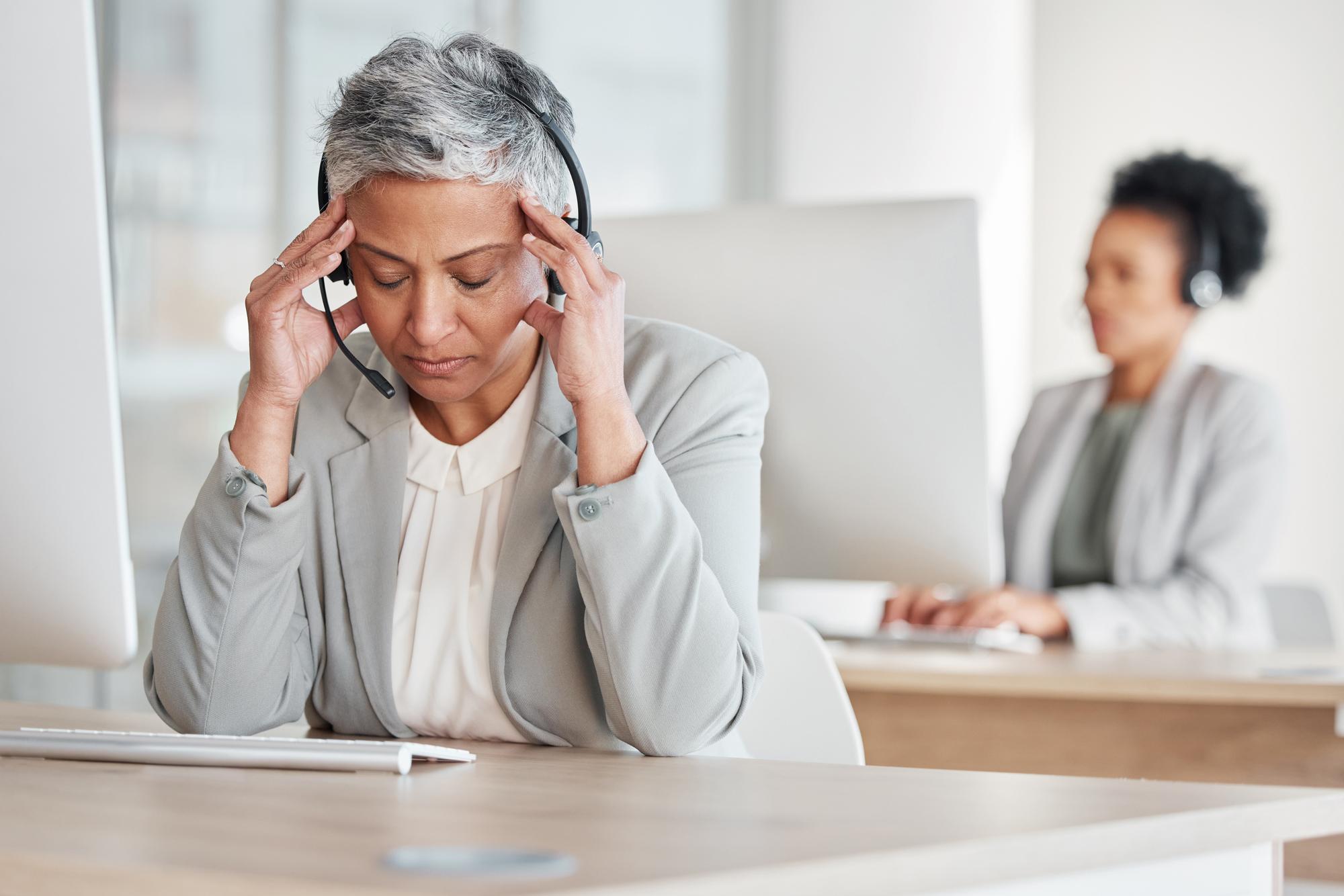
How to Reduce Stress Without Medication – Steps to Natural Stress Reduction in Daily Life
In today’s world, where stress has become an inseparable part of life, more and more people are looking for natural ways to reduce it. In this article, “How to Reduce Stress Without Medication – Steps to Natural Stress Reduction in Daily Life,” we present effective methods that will help you find calm and balance. You will learn relaxation techniques, the importance of a balanced diet, and the benefits of physical activity. You will also discover how healthy relationships and contact with nature can influence your mood. Get ready to explore simple yet effective steps that will help you introduce positive changes into your daily routine—without the need for medication!
How to Reduce Stress Without Medication – Natural Methods for Stress
Many people try to avoid pharmacological solutions for stress. There are many natural methods that effectively help reduce stress symptoms.
Here are the key strategies:
Meditation – practicing meditation regularly for 10–20 minutes a day helps calm the mind and focus on breathing. It is an effective technique that reduces cortisol levels, the stress hormone.
Breathing techniques – simple breathing exercises, such as the 4-4-8 method (inhale for 4 seconds, hold for 4 seconds, exhale for 8 seconds), quickly reduce tension and stress.
Regular physical activity – 150 minutes of moderate activity per week, such as walking, cycling, or yoga, stimulates endorphin production, improves mood, and reduces the feeling of stress.
Balanced diet – healthy nutrition rich in vegetables, fruits, and whole grains supports the nervous system and stabilizes mood. Limiting caffeine and alcohol is key to reducing stress.
Time outdoors – spending time in nature lowers stress levels and improves mental well-being. Even a short walk in the park can bring relief.
Regular yoga practice – yoga combines movement, breath, and meditation, bringing greater calm and supporting mental health.
Each of these methods has documented health benefits. Regularly incorporating them into your daily routine allows for effective stress management without the use of medication.
Relaxation Techniques to Reduce Stress
Effective relaxation techniques are a key element in dealing with stress. Regular practice helps calm the mind and lower cortisol levels, positively affecting both mental and physical health.
Meditation is one of the simplest yet most effective methods of stress reduction. Spending just 10–20 minutes a day meditating can significantly lower stress levels. It allows you to quiet your thoughts and focus on your breath, leading to deeper relaxation. Entering a meditative state can begin with simple breathing exercises.
Breathing techniques, such as the 4-4-8 method, are extremely useful in stressful situations. They involve inhaling for 4 seconds, pausing for 4 seconds, and exhaling for 8 seconds. This cycle should be repeated for several minutes. It quickly lowers heart rate and brings the body into a relaxed state.
Yoga combines movement and breath, helping reduce tension in both body and mind. Regular yoga practice not only improves flexibility but also reduces stress through conscious breathing and focus on the present moment. It is worth dedicating time to a few poses, such as child’s pose or downward dog.
When implementing relaxation techniques into daily life, it is also important to find time just for yourself. This can be a short walk outdoors or simply resting in your favorite place. Regularity and consistency in practicing relaxation techniques are key to successfully reducing stress.
Diet and Healthy Habits and Stress
A balanced diet plays a key role in reducing stress and improving mental health. Consuming the right foods, rich in vegetables, fruits, and minimally processed ingredients, can improve well-being and stabilize mood.
Here are some key dietary principles for stress reduction:
Choose whole-grain products: Replace white bread and pasta with whole-grain alternatives to provide essential nutrients.
Limit caffeine and alcohol: These substances can increase anxiety and negatively affect sleep. Instead, choose herbal teas such as lemon balm or chamomile.
Eat regularly: Try to eat meals every 3–4 hours to avoid energy drops that can lead to low mood.
Protein and healthy fats: Include protein sources such as fish, poultry, and legumes, as well as healthy fats from nuts and olive oil, which support brain function.
Stay hydrated: Drinking enough water is essential for overall well-being. Proper hydration helps concentration and reduces fatigue.
Introducing healthy eating habits and carefully selecting foods can significantly reduce stress, improve quality of life, and help you better cope with daily challenges.
Physical Activity as a Way to Reduce Stress
Regular physical activity is one of the most effective ways to reduce stress. Activities such as walking, running, or yoga stimulate the production of endorphins, known as “happiness hormones.” Endorphins improve mood and reduce feelings of stress.
It is recommended that adults engage in at least 150 minutes of physical activity per week. This can include:
Walking for 30 minutes five times a week
Jogging for 20–30 minutes three times a week
Practicing yoga on a mat
Physical activity not only reduces stress but also improves overall mental health and resilience. Regular exercise helps regulate sleep, increase energy levels, and improve well-being.
Among the health benefits of yoga are increased flexibility, stronger muscles, and reduced tension. Yoga combines elements of meditation and movement, promoting mental calmness and better concentration.
It is therefore worth incorporating physical activity into daily life as a natural and effective way to manage stress.
Contact with Nature and Healthy Relationships
Spending time in nature is essential for mental well-being and stress reduction. Studies show that even small amounts of contact with nature improve mood and promote inner calm. Regular walks in the park, forest hikes, or simply relaxing in a garden can significantly lower cortisol levels.
Healthy interpersonal relationships are also crucial in coping with stress. Investing time in relationships with loved ones, family, or friends supports emotional comfort. Shared moments, conversations, and support can have a therapeutic effect and reduce anxiety.
In daily life, it is worth:
Planning regular contact with nature—walks, trips, or gardening
Organizing meetings with friends for meaningful conversations
Participating in outdoor community events to build new connections
These actions help create harmony in life and support stress reduction.
Herbs and Supplements for Stress Reduction
Herbs for stress, such as lemon balm, valerian, and St. John’s wort, have beneficial effects in reducing symptoms of stress and anxiety.
Lemon balm is known for its calming properties, helping improve sleep quality and reduce nervous tension. Valerian acts as a mild sleep aid and supports relaxation in stressful situations. St. John’s wort is often used to support mild depression and anxiety.
In addition to herbs, supplements can also be helpful. Magnesium plays a key role in the nervous system and may help lower stress levels. Vitamin B6 supports the production of neurotransmitters such as serotonin, positively influencing mood. Omega-3 fatty acids, found in fish and supplements, also have anxiety-reducing effects.
Before starting herbs or supplements, it is important to consult a doctor to avoid potential interactions and ensure proper dosage.
Reducing stress is essential for both mental and physical health. In this article, we presented a range of natural methods that can help reduce tension and improve well-being.
Using techniques such as meditation, regular physical activity, mindful eating, and contact with nature can significantly improve quality of life.
It is important to remember that everyone is different, and the effectiveness of each method may vary. That’s why it’s important to experiment and find what works best for you.
Also, do not forget the importance of support from loved ones, which can bring relief during difficult moments.
In summary, to reduce stress without medication, it is worth adopting a natural, step-by-step approach. Regular practice of these methods can lead to improved quality of life and better management of daily challenges. Every step, even the smallest one, brings you closer to a healthier and more balanced life.
FAQ
Q: What are natural methods for reducing stress?
A: Natural methods include meditation, breathing techniques, regular physical activity, a balanced diet, and the use of herbs that support mental health.
Q: Which breathing techniques help with stress?
A: Techniques such as inhaling for 4 seconds and exhaling for 5 seconds can quickly lower stress levels and improve concentration.
Q: Is meditation effective in reducing stress?
A: Yes, practicing meditation for 10–20 minutes daily can improve well-being and reduce stress and anxiety.
Q: Which herbs are best for stress?
A: Herbs such as lemon balm, valerian, and St. John’s wort have relaxing properties but should be used after consulting a doctor.
Q: What is the role of physical activity in stress reduction?
A: Regular physical activity, about 150 minutes per week, stimulates endorphin production, reduces cortisol levels, and improves mood.
Q: How to improve sleep hygiene in the context of stress?
A: Maintaining consistent sleep times, limiting screen use before bed, and getting 7–8 hours of sleep daily helps the body recover.
Q: Can dietary supplements help with stress?
A: Supplements like magnesium and vitamin B6 can support mental health but should be part of a holistic approach.
Q: What are the long-term benefits of meditation?
A: Meditation can improve emotional regulation and reduce stress and anxiety over time.