
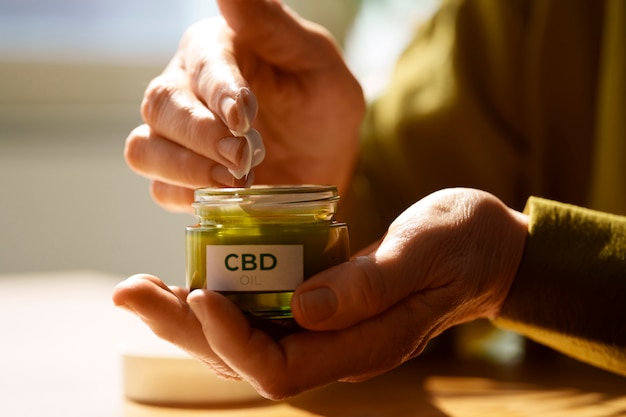
How to Choose the Best CBD Products for Your Needs? A Beginner’s Guide
Are you wondering how to find the best CBD products that match your health needs?
The rapid growth of the CBD market can feel overwhelming, especially for beginners. With so many options available, making the right choice requires understanding a few key factors.
In this guide, we’ll cover what to consider when choosing CBD products, including product types, effectiveness, dosage structure, quality verification, and the importance of consulting a healthcare professional.
Take a moment to explore the essentials of CBD—your health deserves informed decisions.
How to choose the best CBD products for your needs?
To select the right CBD product, pay attention to the following factors:
- Source of hemp: Choose products derived from organically grown hemp to ensure purity and quality.
- CBD concentration: Products typically range from 5% to 30%. The right strength depends on your individual needs and experience level.
- Extraction method: CO₂ extraction is considered the gold standard because it preserves cannabinoids while maintaining product purity.
- Form of CBD: Oils, capsules, edibles, and cosmetics each have unique advantages.
- Medical consultation: Always consult a doctor, especially if you are taking other medications.
- Dosing strategy: Beginners should start with low doses (5–10 mg daily) and gradually increase while monitoring effects.
Different types of CBD products and their uses
1. CBD Oils
The most popular form. Taken sublingually for faster absorption and flexible dosing. Ideal for overall well-being support.
2. CBD Capsules
Convenient and discreet. Offer precise dosing but may take longer to produce effects due to digestion.
3. CBD Topicals
Creams and balms designed for localized relief, such as muscle soreness or skin irritation.
4. CBD Edibles
Gummies and beverages provide a pleasant way to consume CBD, though onset time may be slower.
The concentration of CBD significantly impacts effectiveness, so choosing the right strength is essential.
Key factors to consider when choosing CBD products
Dosage: Start low (5–10 mg daily) and adjust gradually.
Quality certifications: Look for third-party lab test results confirming CBD content and absence of contaminants such as pesticides or heavy metals.
Lab reports: Check the date and authenticity of laboratory testing to ensure up-to-date verification.
Personal health needs: Consider whether you need systemic support (oils, capsules) or localized relief (topicals).
Where to buy the best CBD products?
CBD products are available in:
- Physical stores
- Online shops
- Specialty wellness retailers
Choose reputable sellers who provide transparent product information and access to laboratory certificates.
Compare prices carefully, but avoid products that seem unusually cheap, as quality and safety are crucial.
How to evaluate quality and authenticity
To assess product quality:
- Review the full ingredient list.
- Verify third-party laboratory certificates.
- Check for THC content (especially if THC-free products are required).
- Read verified customer reviews.
High-quality CBD products should offer transparency, up-to-date lab results, and clear labeling.
Summary
Choosing the right CBD product requires attention to quality, concentration, dosage, and your personal health goals.
Understanding product differences and verifying authenticity will help you make a safe and informed decision.
Ultimately, learning how to choose the best CBD products for your needs empowers you to integrate CBD into your routine effectively and responsibly.
FAQ
Q: What is CBD?
A: CBD (cannabidiol) is a non-psychoactive compound derived from hemp that interacts with the endocannabinoid system to support overall well-being.
Q: What forms of CBD are available?
A: CBD is available as oils, capsules, edibles, beverages, and topical products.
Q: What should I look for in a CBD product?
A: Check hemp source, CBD concentration, extraction method, and third-party lab testing results.
Q: What are the different types of CBD extracts?
A: Full Spectrum (contains multiple cannabinoids), Broad Spectrum (THC-free but with other cannabinoids), and CBD Isolate (pure CBD).
Q: Is CBD safe?
A: CBD is generally well tolerated, though mild side effects such as fatigue or digestive discomfort may occur. Consult a doctor if taking medications.
Q: How should beginners dose CBD?
A: Start with 5–10 mg daily and gradually increase while monitoring your body’s response.
Q: Where should I buy CBD products?
A: Purchase from reputable retailers that provide transparent lab reports and verified certifications.