
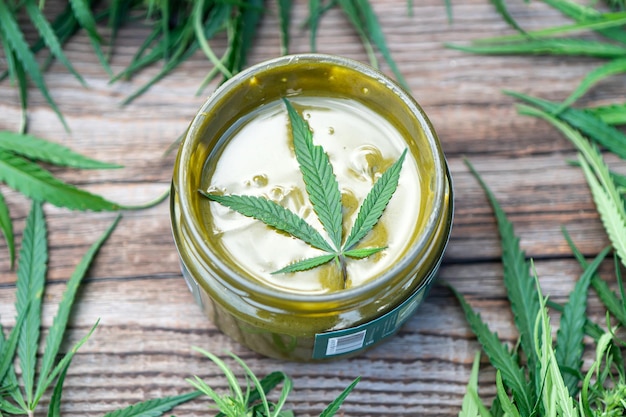
Can CBD Be Considered a Natural Dietary Supplement? Discover Its Properties and Health Benefits
CBD, or cannabidiol, is gaining increasing popularity as a natural dietary supplement.
Its unique health properties and influence on the endocannabinoid system may contribute to improving both mental and physical well-being.
In this article, we will explore why CBD is perceived as a valuable addition to the daily diet, what health benefits its use may provide, and what to consider when choosing the right products.
Dive with us into the world of cannabidiol and discover whether it can truly become your ally in the pursuit of better health.
Is CBD a Natural Dietary Supplement?
CBD, or cannabidiol, is a natural chemical compound derived from the Cannabis sativa plant and is considered potentially beneficial for health and well-being. It interacts with the endocannabinoid system, which regulates various functions in the body, including mood, sleep, and stress response. Thanks to these properties, CBD is becoming increasingly popular as a dietary supplement.
One of the main reasons CBD is perceived as a natural dietary supplement is its potential health benefits. Research suggests that it may support mental health by reducing symptoms of anxiety and improving sleep quality. Additionally, CBD shows anti-inflammatory and pain-relieving effects, making it an attractive addition to therapies for chronic conditions.
However, when choosing CBD supplements, it is important to pay attention to their quality. Products with a high concentration of active substances and those tested by certified laboratories are essential for ensuring safety and effectiveness.
Recommended CBD dosage varies depending on individual needs and should be discussed with a doctor to avoid potential side effects or interactions with other medications.
Overall, CBD is increasingly recognized as a natural and safe dietary supplement that may support health and improve overall well-being.
Health Properties of CBD and Its Effects on the Body
CBD exhibits a wide range of health-related properties that may positively influence the body. One of its key characteristics is its anti-inflammatory effect. Research suggests that cannabidiol may help reduce inflammation, which is important in the context of many chronic conditions.
CBD also has calming and relaxing properties, which can help reduce anxiety and improve sleep quality. Regular use of cannabidiol may provide relief for people suffering from anxiety disorders, and its positive effect on mental well-being makes it a popular option in natural therapy.
Moreover, there is evidence of CBD’s neuroprotective properties. It may support brain function and protect against neurological damage, which is particularly relevant in diseases such as Alzheimer’s and Parkinson’s.
CBD is also increasingly used in pain management. Its analgesic effects may help relieve chronic pain, including pain related to arthritis or migraines.
Key health properties of CBD include:
-
anti-inflammatory effects
-
anxiety reduction
-
sleep support
-
pain relief
-
neuroprotection
In summary, the properties of CBD and its impact on the body make it an effective natural dietary supplement that may support both mental and physical health.
CBD Dosage as a Natural Dietary Supplement
The recommended daily dose of CBD for adults ranges from 10 to 20 mg.
For more serious conditions, the dose may increase up to 300 mg, but such decisions should be made under the supervision of a specialist.
People who are starting CBD supplementation are advised to begin with lower doses, such as 10 mg per day, and gradually increase them while observing the body’s reaction.
It is important to consider the strong properties of CBD oil and carefully monitor the effects of supplementation.
Possible side effects of CBD include:
-
drowsiness
-
changes in appetite
-
dizziness
These effects are usually mild but should be taken into account when dosing, especially when working or driving.
Example CBD dosage depending on the purpose of use:
| Purpose | Dosage |
|---|---|
| General well-being | 10–20 mg |
| Sleep problems | 20 mg |
| Anxiety conditions | 20–300 mg |
Dosage should always be adjusted individually based on the body’s response and potential interactions with other medications.
Legality of CBD in Poland and Europe
In Europe, the legality of CBD depends on the THC content in the product. According to current regulations, CBD products can be sold as long as the THC content does not exceed 0.2%. These regulations apply to dietary supplements containing CBD as long as they comply with European Union standards.
In Poland, the legal situation is also favorable for CBD products. According to national regulations, CBD dietary supplements are legal provided they meet THC concentration requirements.
When purchasing CBD supplements, it is important to check for quality certifications confirming the purity and composition of the product.
Consumers should be cautious when buying products that are poorly labeled or lack certification. Therefore, always verify whether a supplement complies with strict regulations to avoid potential health or legal issues.
Compliance with CBD legality regulations is essential to ensure both the safety and effectiveness of supplements.
How to Choose the Right CBD Products
When selecting CBD products, it is important to consider several key factors to ensure safety and quality.
CBD concentration
Pay attention to the amount of CBD in the product. High-quality CBD oils should clearly indicate cannabidiol content on the label, making it easier to adjust dosage.
Source of hemp
Choose products made from hemp grown in certified farms, preferably from regions where plants are cultivated without pesticides or herbicides.
Quality certifications
Look for products with certifications such as a Certificate of Analysis (COA). This ensures that the product has been laboratory-tested for CBD content and THC levels, which must not exceed 0.2% in the EU.
User reviews
Reading reviews from other users can help determine whether a product is reliable and effective.
Differences between THC and CBD
Understanding the difference between THC and CBD is crucial. THC has psychoactive effects, while CBD does not. When choosing CBD products, ensure they contain non-psychoactive levels of THC to avoid unwanted effects.
A careful analysis of these criteria will help you make an informed choice and maximize the health benefits of CBD products.
Conclusion
In conclusion, CBD derived from hemp is a versatile compound that may contribute to improving health.
Research indicates that CBD has potential health benefits, such as reducing anxiety symptoms, relieving pain, and improving sleep quality.
As the popularity of this compound continues to grow, more people are turning to CBD as a supplement to their daily diet.
Despite its many benefits, it is important to consult a doctor before incorporating CBD into your lifestyle.
Considering all this information, the question remains: Can CBD be treated as a natural dietary supplement?
The answer appears to be yes, but the topic should always be approached with awareness and caution.
FAQ
What are phytocannabinoids?
Phytocannabinoids are natural plant compounds that affect CB1 and CB2 receptors and are mainly found in Cannabis sativa, including CBD, THC, CBG, and CBN.
What are the health benefits of CBD?
CBD may reduce inflammation, improve sleep, and decrease anxiety. Research suggests it may help treat social anxiety symptoms and support nervous system health.
What are the recommended CBD doses?
The standard dose for adults is typically 10–20 mg per day. Higher doses from 300 to 1500 mg may be tolerated but require caution.
What are the side effects of CBD?
Possible side effects include changes in appetite, drowsiness, dizziness, and mood changes, which usually subside after a few days.
How does CBD affect athletes?
CBD may support recovery, provide pain relief, and lower cortisol levels, which can be beneficial for athletes, especially before competitions.
Is CBD safe to use?
CBD is generally considered safe, but it is recommended to consult a doctor, especially if you take other medications.
How to choose the right CBD supplements?
Check the ingredient list, CBD concentration, and quality certifications to ensure the product is free from contaminants.
How is CBD different from THC?
CBD is non-psychoactive, while THC has psychoactive effects. Both compounds have different medical and supplementation applications.