
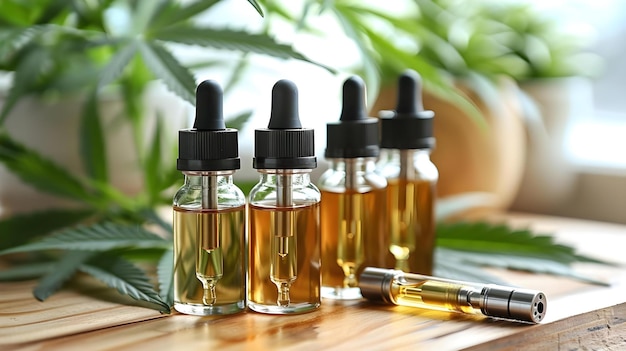
What Are the Differences Between Full Spectrum, Broad Spectrum, and CBD Isolate Oils?
CBD oil has become one of the most popular health supplements, but choosing the right product can be overwhelming.
Are you wondering what the difference is between full spectrum, broad spectrum, and CBD isolate oils?
Each of these products has unique properties and potential health benefits worth understanding.
In this article, we will explain in detail how the composition and effects of different types of CBD oils influence their effectiveness and uses, so you can make an informed decision when choosing the most suitable CBD oil.
Differences Between Full Spectrum, Broad Spectrum, and CBD Isolate
Full spectrum CBD oil contains all the natural cannabinoids found in hemp, including trace amounts of THC (up to 0.2%). Because of this, it provides the so-called entourage effect, which means the ingredients work together synergistically to enhance therapeutic effectiveness.
Advantages of full spectrum CBD oil
-
increased effectiveness due to the synergy of cannabinoids and terpenes
-
a wide range of cannabinoids and terpenes providing diverse health benefits
-
a natural formula that closely reflects the full properties of the hemp plant
In contrast, broad spectrum CBD oil removes THC but retains other cannabinoids and terpenes. This makes it suitable for people who want to avoid THC while still benefiting from the synergy of multiple hemp compounds.
Advantages of broad spectrum CBD oil
-
no THC, making it safer for people subject to drug testing
-
preserved synergistic effects of cannabinoids and terpenes
-
suitable for individuals who want to avoid psychoactive effects while still gaining health benefits
CBD isolate is the purest form of cannabidiol, containing up to 99.9% CBD. It contains no other cannabinoids, terpenes, or flavonoids, which may limit its therapeutic potential compared to full or broad spectrum oils.
Advantages of CBD isolate
-
the highest concentration of CBD among all types of CBD products
-
ideal for precise dosing
-
completely free of THC, making it suitable for people sensitive to this compound
Each type of CBD oil has unique features and applications, making them suitable for different needs and preferences.
Full Spectrum CBD Oil – Composition and Effects
Full spectrum CBD oil is characterized by a complex composition that includes all cannabinoids, terpenes, and flavonoids present in the hemp plant.
Thanks to this diversity of active ingredients, this oil may show stronger therapeutic effects compared to other forms of CBD.
One of the key factors behind its effectiveness is the entourage effect. This refers to the synergistic action of various active compounds, which enhances their effectiveness.
In practice, the combination of cannabinoids such as CBD and trace amounts of THC, along with terpenes and flavonoids, allows the body to absorb and utilize these compounds more efficiently.
Benefits of full spectrum CBD oil
-
increased therapeutic effectiveness
-
broader range of potential health benefits
-
possible relief of symptoms such as pain, anxiety, and inflammation
Because of its complete composition, full spectrum CBD oil is an ideal choice for people seeking comprehensive health support.
Broad Spectrum CBD Oil – THC-Free
Broad spectrum CBD oil contains multiple cannabinoids and terpenes found in hemp but has all THC removed.
Because of this, it is considered a safer option for people concerned about psychoactive effects while still wanting to benefit from cannabinoids.
Broad spectrum oil includes:
-
cannabidiol (CBD)
-
other cannabinoids such as CBG and CBN
-
terpenes that support therapeutic effects
These compounds can work together through the entourage effect, improving both absorption and effectiveness.
Advantages of broad spectrum CBD oil
-
THC-free – suitable for individuals who avoid psychoactive compounds
-
preserved cannabinoid synergy
-
useful for managing stress, anxiety, and chronic conditions
-
safe for people with active lifestyles or professional responsibilities
Broad spectrum CBD oil is therefore an excellent option for those seeking natural support without THC.
CBD Isolate – Pure Cannabidiol
CBD isolate is the purest form of cannabidiol, extracted from industrial hemp.
It contains no terpenes, cannabinoids, or plant compounds, which gives it very high purity. It is usually available as crystals or a white powder.
CBD isolate is most commonly produced through supercritical CO₂ extraction or alcohol extraction methods. After extraction, the crude extract undergoes additional purification processes to isolate CBD by removing all other compounds.
The final product may contain up to 99% pure CBD.
However, because it lacks other cannabinoids and terpenes, CBD isolate does not produce the entourage effect and may therefore offer fewer therapeutic benefits compared to full or broad spectrum oils.
Common uses of CBD isolate
-
food and beverages
-
cosmetics
-
products requiring precise CBD dosing
Although highly pure, CBD isolate may not provide the same range of benefits as spectrum-based CBD oils.
How to Choose the Right CBD Oil
When choosing a CBD oil, several key factors should be considered to achieve the desired results.
Individual needs and preferences
Think about what you want to achieve with CBD use. For example:
-
relaxation and stress relief
-
pain reduction
-
improved sleep
Your goals will influence whether full spectrum, broad spectrum, or isolate is the best option.
CBD dosage
Start with a low dose and gradually increase it until you find the optimal amount.
Every body reacts differently to CBD, so careful observation of your response is important.
Product safety
Always choose high-quality products that have third-party laboratory certificates verifying purity and cannabinoid content.
Avoid products that may contain harmful contaminants.
Possible side effects
CBD oils may sometimes cause mild side effects such as:
-
drowsiness
-
dry mouth
-
changes in appetite
Monitoring your body’s response during use is important.
Lifestyle
Lifestyle can also influence the choice of CBD oil.
For example:
-
active individuals may prefer higher CBD concentrations
-
people seeking relaxation may benefit from full spectrum oils with the entourage effect
Conclusion
CBD oils are becoming increasingly popular among people looking for natural ways to support their health.
Full spectrum oils offer the complete range of hemp compounds, including cannabinoids, terpenes, and flavonoids.
Broad spectrum oils provide similar benefits but without THC, making them suitable for those who wish to avoid psychoactive compounds.
CBD isolates contain pure cannabidiol, offering precise dosing but without the synergistic effects of other plant compounds.
The best choice depends on individual needs, preferences, and desired results.
Understanding the differences between full spectrum, broad spectrum, and CBD isolate oils can help you make an informed decision that supports both your health and quality of life.
FAQ
What are the differences between full spectrum, broad spectrum, and CBD isolate?
Full spectrum oil contains all cannabinoids including THC, broad spectrum includes multiple cannabinoids without THC, and CBD isolate contains only pure cannabidiol.
What is the entourage effect?
The entourage effect refers to the synergistic interaction between cannabinoids and terpenes that enhances the therapeutic effectiveness of full spectrum products.
What are the benefits of CBD oils?
CBD oils may support mental and physical health, reduce stress and pain, and improve sleep quality.
How are CBD oils extracted?
CBD oils are most commonly extracted using supercritical CO₂ extraction, which ensures purity and high cannabinoid content.
What carrier oils are used in CBD oils?
Common carrier oils include MCT oil, hemp seed oil, and olive oil, which help improve absorption of cannabinoids.
What should be considered when choosing CBD oil?
Important factors include the oil type, extraction process, hemp origin, and CBD concentration.
Which CBD oil is best for people avoiding THC?
Broad spectrum CBD oil is the best choice because it contains multiple cannabinoids but no THC.
What is CBD isolate used for?
CBD isolate is often used in foods, cosmetics, and products that require precise CBD dosing.